Wedding Videography Styles: Documentary, Cinematic & More

Guides
Wedding videography styles: understanding what you're actually watching
Documentary, cinematic, storytelling, editorial, vintage, alternative, funky and hype: there's a lot of vocabulary in the wedding film world. You'll also come across teaser, highlight, short film and full ceremony edit. The problem is that these labels don't all describe the same thing. Some tell you how a filmmaker approaches the wedding, others refer to a visual aesthetic, a recording format or simply what you'll receive.
To understand a portfolio, separate the way the wedding is filmed from the appearance and format of the finished work. We explain the main approaches, then look at sound, visual treatments and the different films a package may include. Several of these choices can be combined within the same wedding film.
Documentary wedding filmmaking: the people and the moments come first
A documentary approach follows the wedding as it happens, usually without directing the events being filmed. The filmmaker chooses positions, records conversations and reactions, and gathers the sounds of the ceremony and reception. The edit is then built from that recorded material, which may include both the scheduled events and what happens between them.
Documentary films can be short or long, chronological or structured around a particular theme. A thirty-minute documentary isn't necessarily thirty minutes of loosely assembled clips. Choosing the scenes, shaping the pace, recording the sound well and deciding when to let a moment unfold can be highly creative and demanding work.
Documentary therefore describes a filmmaking approach, not raw footage or an unfinished film. A beautifully edited documentary can be every bit as accomplished as a short cinematic piece.
Traditional and chronological wedding films
A more traditional wedding video often follows the day in order, from preparations and ceremony to speeches and the evening celebrations. You may see relatively complete sequences and a clear account of what happened, making it easy to revisit the actual flow of events.
Keeping events in chronological order still requires choices about which scenes to include, how long they last and how sound connects them. A film can therefore follow the wedding schedule closely and remain carefully constructed. The order of events describes the structure, rather than the skill involved in making it.
Cinematic and narrative wedding films
Cinematic wedding filmmaking is about much more than slow motion, drone shots or smooth camera movement. It borrows ideas from cinema in the way the story is written and edited: where it begins, how people are introduced, how one scene leads into another and how the ending relates to what came before.
For example, a line from the vows may be heard over images from the reception, or the film may open with a scene from the evening before returning to the preparations. Music, recorded sound and pauses can connect these different parts of the day. The filmmaker is choosing a structure for the film rather than following the schedule throughout.
A highly developed five- or six-minute film might involve a hundred hours of post-production. That's an example of how much work a particularly ambitious piece can take, not a rule for every short film. A longer documentary can be equally demanding when its length serves the storytelling.
Storytelling: when vows and speeches lead the narrative
Storytelling puts particular emphasis on the way a film tells its story. Spoken vows, speeches, letters, messages or interviews may form its backbone. A sentence from the ceremony can bring a new meaning to a moment photographed or filmed earlier in the day.
Storytelling isn't necessarily separate from documentary or cinematic work. A documentary filmmaker can construct a powerful narrative around real voices, while a highly cinematic short film may use those same voices to guide its structure. Listen to how the words relate to the pictures, rather than judging only the visuals.
Editorial, fashion-inspired and auteur wedding films
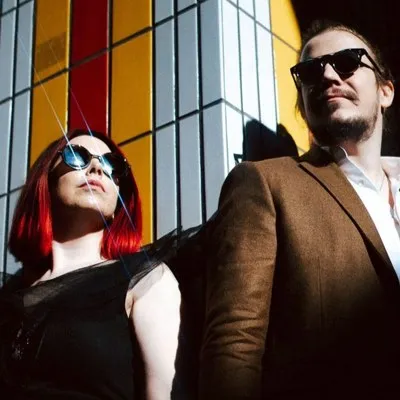
Some filmmakers borrow ideas from fashion films, music videos and cinema, developing scenes specifically with the couple. A room, an unusual light, a costume detail or a shared reference can become the starting point for a sequence. The filmmaker offers creative direction and helps bring the scene to life.
Editorial filmmaking can take ideas from fashion films, music videos or cinema and develop them with the couple. At The Wild Strawberry, we enjoy bringing those prepared scenes together with documentary footage and words recorded at the wedding. We discuss the ideas beforehand, including how you would take part, so that the creative session has an agreed place in the celebration.
Alternative, experimental, funky and hype wedding films
An alternative wedding film might play with editing structure, humour, unexpected framing, vivid colour or music beyond the usual romantic soundtrack. Some draw on independent cinema, others on music videos or the energy of a party. Alternative describes a creative outlook rather than a strict running time or technical format.
Hype films generally use fast edits, rhythmic music and footage with plenty of movement, often from the reception or dance floor. Funky is a less precise description, which may refer to bold colour, humour or an unusual soundtrack. Watch complete examples to see how a filmmaker uses these elements and whether you enjoy the pace beyond a short trailer.
A quick edit and a slower film can both suit a wedding, depending on the scenes and sound being used. When watching examples, notice whether you can follow what is happening and whether the pace changes across the film. That is more useful than treating either speed as a sign of quality.
Moody, romantic, vibrant, vintage and timeless: the visual mood
Dark and moody usually points towards richer shadows, contrast and a more dramatic atmosphere. Light and airy films may favour softer light, delicate tones and a quieter visual texture. Vibrant films might embrace saturated colour, night lighting and a more electric energy. These are largely choices about cinematography and colour grading.
Vintage often describes references to older film stocks, camcorders or home movies. Timeless is an intention to make work that will remain appealing, rather than a precise technique or a promise about future tastes. Both terms can accompany different narrative approaches. Luxury is also used broadly and does not define a particular colour treatment or way of filming.
Super 8, 16mm, VHS, drones and black and white: tools rather than styles
Super 8 and 16mm are film formats. Shooting on actual film involves physical stock, developing and scanning. They can produce a distinctive texture, but they don't automatically determine how the story is told. Super 8 is generally shot without synchronised sound, so if preserving vows and speeches matters, separate sound recording needs to be planned.
VHS, older digital camcorders and carefully created retro treatments offer different kinds of nostalgia. They aren't the same as real film capture. A drone provides aerial shots, black and white changes the tonal treatment, and slow motion alters how movement feels. Each is a tool or creative choice that can be used within documentary, cinematic or more experimental films.
Teasers, highlights, short films and ceremony edits are deliverables
These words usually describe what you're receiving. A teaser is a short trailer. A highlights edit selects moments from the celebration. A short film may develop its own narrative, while a longer documentary can leave room for more of the day's conversations and events. A full ceremony or speech edit is intended to preserve those moments in their continuity. The lengths vary between studios.
One filmmaker might deliver an energetic teaser, an authored cinematic short film and full recordings of the vows and speeches. Those are complementary pieces with different purposes. The number of files, the running time and the work involved in making them are three different things.
How can you recognise the approach that suits you?
Consider whether you want complete speeches and ceremony recordings, a shorter film built around selected voices and scenes, or several versions with different purposes. You can also discuss how experimental you would like the editing and music to be. Naming those preferences will help you compare both the approach and the films included in a proposal.
Watch complete films and listen to how clearly the voices are recorded and how they connect to the images. Notice whether you enjoy the structure and pace throughout. Our guide on how to choose a wedding videographer develops those questions, while our guide to wedding videography costs in France explains how production choices can affect a quote.
Choosing the wedding film style you enjoy
A filmmaker's style comes from the way images, recorded voices, music and editing work together. Documentary footage can form a cinematic narrative, and editorial scenes can bring another kind of creative work into the same film. Super 8 describes a recording medium and a teaser describes a film you receive; neither defines the entire approach. Watch complete films to find the storytelling and visual style you enjoy.
At The Wild Strawberry, we work between documentary and cinema, filming the wedding as it unfolds and sometimes developing scenes with the couple. We then build the film through the images, recorded voices and music, making choices about structure and pace for that particular project. Explore our wedding films to see the different forms this approach can take.