How to Choose a Wedding Videographer

Guides
Finding a wedding videographer who feels right for you
You may have watched wedding trailers, saved a few on Instagram and received your first quotes. Before booking, ask to see complete films as well: a thirty-second edit can introduce a filmmaker's style, but it cannot show how they cover the ceremony, use recorded voices or build a longer film. Those examples will give you a more useful starting point for a conversation.
This guide will help you identify what you want from your wedding film, compare different approaches and prepare questions about the filming and the finished work. As you watch portfolios and meet filmmakers, consider both the films you enjoy and the way you would like to work together on the day.
What do you want to remember when you watch your wedding film?
Think about how you would like to watch your wedding again. You might want the vows and speeches in full, a documentary that follows the celebration or a shorter cinematic film with its own structure and pace. Those choices can sit together, and discussing them will help you compare both the filmmaker's approach and the films included in the booking.
You don't have to know anything about filmmaking to answer. Think about the films you enjoy, the emotions they leave you with and how much you care about voices, music, movement and storytelling. Some couples want the day documented much as it happened. Others love the idea of creating a few more directed scenes with their filmmaker. You can want both.
How do you recognise a wedding filmmaker's style?
Documentary, cinematic and editorial are words you'll come across everywhere. They're useful starting points, not rankings. A documentary can have beautiful cinematography and a carefully crafted edit. A cinematic film can be full of spontaneous, unplanned moments. What matters is how the filmmaker uses those possibilities.
Look at the framing and lighting, and at how people move within each scene. Notice whether the filmmaker mainly observes or also directs some of the images, then listen to how vows, speeches and music are used. Watching a complete film will help you judge how those choices work together over several minutes.
A distinctive style is also about what the filmmaker chooses to leave out. Two people can film exactly the same wedding and tell completely different stories.
Why should you watch complete wedding films?
A short trailer usually contains the most striking moments. It's designed to catch your attention, which is fine, but it doesn't show whether a filmmaker can hold a story together. Ask to watch two or three full films, ideally recorded in different locations and lighting conditions.
Pay attention to what happens between the obvious highlights: the transitions, the pacing, the space given to family and friends and the way the narrative develops. A lovely camera shot is one thing; a film that stays interesting for several minutes takes another kind of skill.
Listen to the vows and speeches to check whether the words are clear and the voices sound natural. Notice how the filmmaker uses background sounds, music and pauses as well. If hearing particular people or keeping a speech in full matters to you, discuss that before booking so that it can be included in the recording and delivery arrangements.
What does real filmmaking experience look like?
It's not just a number of cameras or years in business. Look for consistency across complete films. A skilled videographer can work through a dark ceremony, an unpredictable entrance, a windy outdoor speech or a schedule that suddenly runs late, without asking you to repeat those moments.
Ask how the filmmaker records sound, backs up footage and prepares for equipment problems. You do not need to understand every technical detail, but their explanation should help you see how they protect recordings of events that cannot be repeated.
How involved do you want your videographer to be?
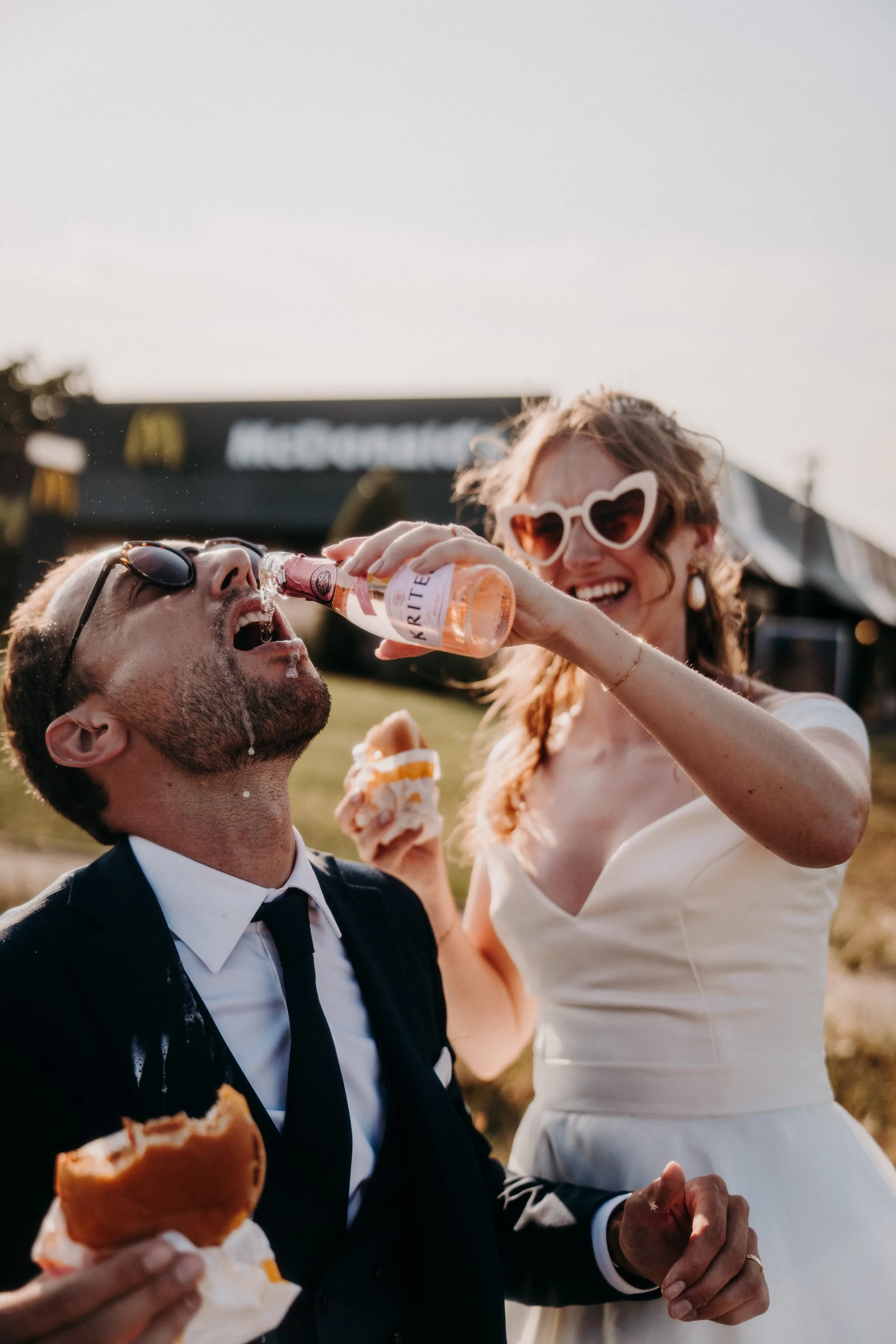
Some filmmakers prefer a very discreet, documentary style and let events unfold without direction. Others enjoy planning portraits, helping you feel comfortable on camera or creating scenes inspired by cinema and fashion. Neither approach is right for every couple.
If you dislike posing, say so. If you'd love to make something that feels a little like a movie, say that too. A good conversation will help you work out what should stay spontaneous, what might be planned and how much of your wedding day you would want to devote to any directed scenes.
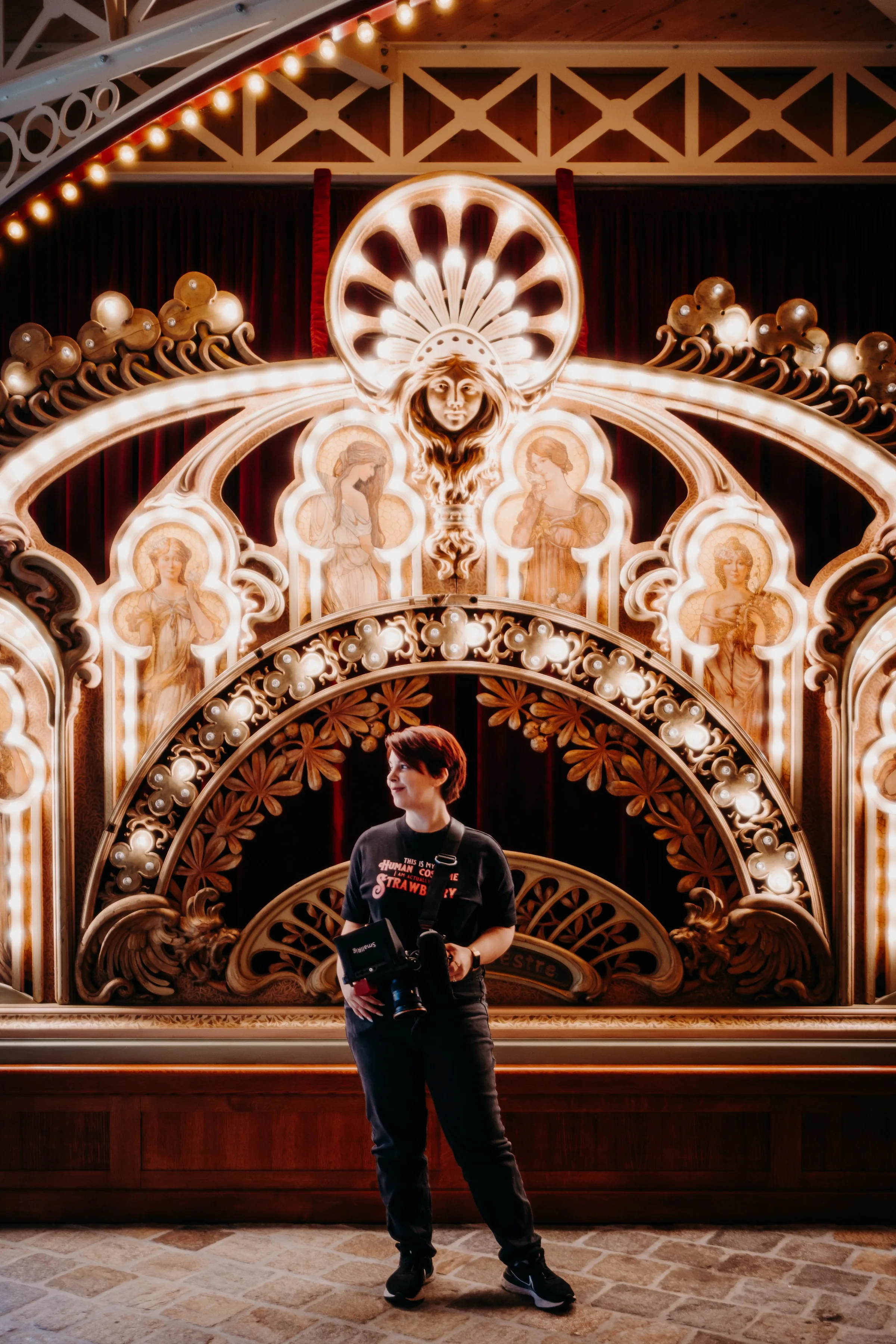
At The Wild Strawberry, we enjoy combining observation with creative ideas when they fit the couple. Getting to know you comes before deciding what those images should look like.
What should you ask before booking?
Find out who will actually film your wedding, how speeches are recorded, who edits the film and what you'll receive. Ask what the coverage includes, along with travel, delivery times, file backups and the contract's provisions for postponements or emergencies. The answers should be clear, not hidden behind technical language.
Use the meeting to discuss ideas you would enjoy and anything you would prefer to avoid. The filmmaker's response will help you judge how well you can communicate and whether you feel comfortable working together. You will spend much of the wedding day around this person, so that conversation matters alongside the portfolio.
What about the budget?
Cost is part of the decision, but it shouldn't replace everything you've learned. Two videographers can spend the same day at your wedding and create very different films. Experience and creative work may justify a higher price, but the quote alone isn't proof of talent. For a breakdown of the costs in France, read our guide to wedding videographer prices.
Make your choice after watching complete films and meeting the filmmaker
Before committing, watch complete films, listen to the audio and discuss the way the wedding will be filmed. Make sure the quote and contract describe the coverage and finished films you expect. You can then decide with a clear view of both the work and the arrangements for your day.
If you like films that move between documentary and cinema, you can explore our wedding films to see whether our approach feels right for you.