Wedding Photography Styles: Documentary, Editorial, Fearless & More

Guides
Wedding photography styles: start with the way the pictures are made
Documentary, editorial, fine art, Fearless, alternative, funky, moody and timeless: wedding photographers use a lot of descriptions, and it can be hard to tell what they actually promise. Some refer to how a photographer works with people. Others describe colour, mood or a visual aesthetic. Film photography, flash and black and white often appear in the same lists, even though they're different kinds of choices.
To compare these descriptions, it helps to separate the photographer's way of working from the appearance of the finished images. We explain the main approaches first, then look at colour, film, lighting and other choices. You can use those distinctions when viewing galleries and discussing the amount of direction you would like on the day.
Documentary, reportage and photojournalistic wedding photography
Documentary wedding photography follows events as they happen, without arranging them for the camera. The photographer watches the ceremony, conversations and celebrations, choosing where to stand and when to take each image. Reportage and wedding photojournalism are closely related terms for this approach.
Working unobtrusively doesn't mean taking pictures at random. Anticipating an expression, reading changing light and building a composition in a split second require considerable skill. Communities such as This Is Reportage and the Wedding Photojournalist Association celebrate this kind of moment-led photography. Most documentary photographers can also organise family groups and guide a few portraits when couples want them; the approach describes what drives the coverage, not a rigid ban on direction.
Classic and traditional wedding photography
A classic photographer puts particular care into the recognised images of a wedding: portraits of the couple, family groups, key moments of the ceremony, important details and a clear visual record of the celebration. The photographer may arrange people and compose pictures more deliberately so that the people and moments you value are well represented.
Traditional portraits can be included alongside candid coverage. If there are particular family groups you would like, discuss them in advance so that the photographer can plan the time and help gather everyone. The rest of the wedding can still be photographed as it unfolds.
Editorial and fashion-inspired wedding photography
Editorial photography draws on fashion magazines, creative campaigns and cinema when preparing portraits. The photographer may choose a setting, plan the lighting and discuss an idea with you before offering direction during the session. Looking at examples together helps establish which images you would enjoy making and how much time they would need.
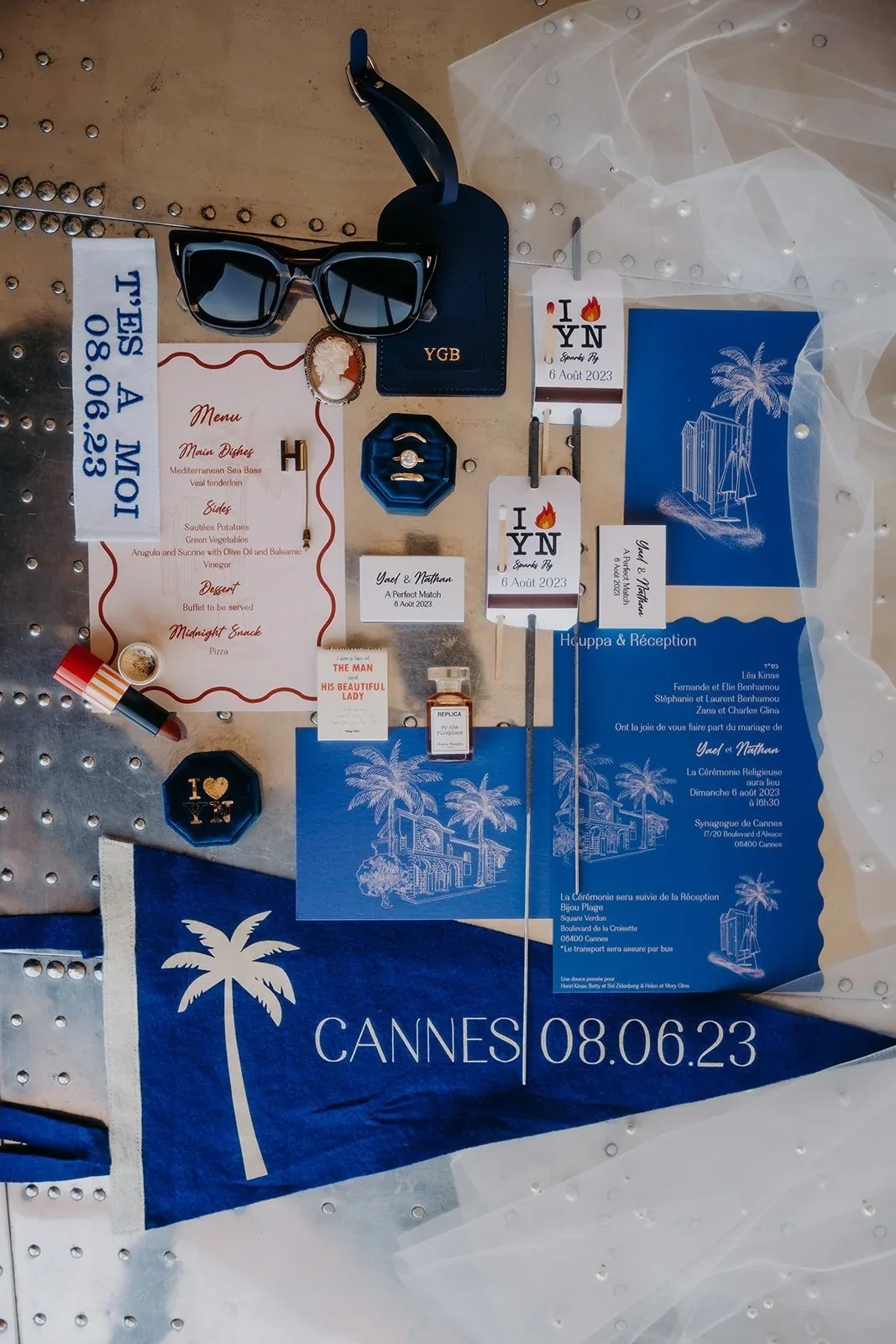
Editorial can be minimal, elegant, playful, colourful or surreal. It doesn't require turning the entire wedding into a photoshoot: a handful of deliberately made portraits can be part of a very documentary day. We explore the process in more detail in our guide to editorial wedding photography.
Fine art wedding photography: a thoughtful, artistic approach
The term fine art is used in different ways across the wedding industry, but it usually suggests particular attention to composition, light, texture and the coherence of a collection. The photographer is making images that can stand on their own as photographs, as well as working together to tell the story of the wedding.
Fine art isn't automatically pale, pastel or soft. Carefully controlled shadows, strong shapes and unexpected compositions can be equally artistic. Think of it as a creative sensibility rather than a colour recipe.
Fearless wedding photography: bold ideas and decisive moments
Fearless is associated with Fearless Photographers, an international community and awards programme. Its selected images provide examples of inventive composition, lighting and the observation of moments. Because it is a community and awards reference rather than a single technique, the work includes different ways of photographing weddings.
That might mean finding an unexpected joke in a busy scene, using a reflection to transform the composition, or making an imaginative portrait with a couple. Some Fearless images are entirely candid; others are directed portraits. The common thread is a willingness to explore beyond the obvious photograph, while keeping the moment or the idea compelling.
Alternative, funky, colourful and rock’n’roll wedding photography
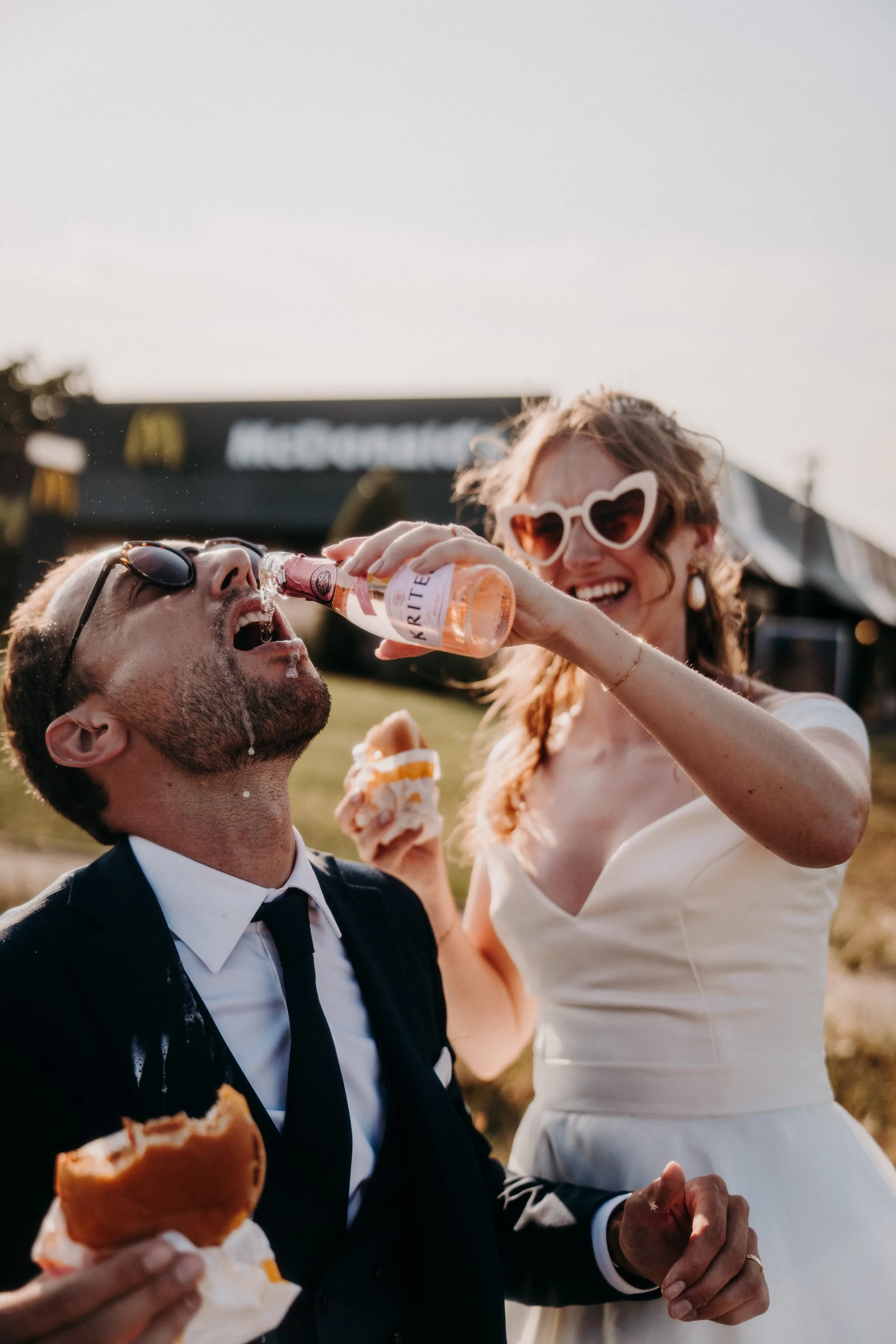
Words such as alternative, funky, quirky and rock’n’roll often describe an outlook rather than a fixed method. You might see saturated colour, humour, unusual venues, bold lighting, movement, unconventional portraits and a real appetite for the energy of the celebration.
These descriptions do not depend on the couple's clothes or the wedding theme. A photographer can enjoy vivid colour, humour and unexpected framing while also working through documentary observation and developing editorial portraits. Look at how those choices appear throughout complete weddings, from the ceremony to the party, to decide whether you enjoy the photographer's approach as a whole.
Lifestyle wedding photography: relaxed moments with gentle direction
Lifestyle photography often falls between documentary observation and more deliberately directed portraits. A photographer might suggest walking together, talking or doing something simple, then photograph the expressions that follow. The situation may be guided, but the interaction can still feel relaxed and natural.
It can be a great fit for couples who want some help in front of the camera without being held in fixed poses. It can also complement an otherwise documentary wedding day.
Moody, light and airy, vibrant and timeless: understanding the visual finish
Dark and moody usually means a stronger emphasis on shadow, contrast, depth and atmosphere. Light and airy is associated with luminous images, softer contrast and gentle colours. Neither tells you whether the photographer directs portraits or observes events; they describe how the finished photographs feel.
Colourful, bold or funky imagery may use saturated tones, striking contrasts, direct flash and the energy of a lively celebration. A true-to-colour approach aims to preserve believable skin tones and the colours of the environment. Each requires thoughtful decisions about colour and consistency, even when the results look very different.
Timeless describes an intention to make photographs that will remain appealing over time, rather than a defined method or preset. Photographers may associate it with restrained editing, familiar compositions or natural-looking colour, but the label cannot guarantee how tastes will change. Luxury generally refers to the service, positioning or type of commission, so it should not be treated as a separate photographic technique either.
Film, flash and black and white: three different choices
Film photography is a physical capture medium. Images are recorded on photographic film, then developed and usually scanned. Digitally created film grain or nostalgic colour grading can resemble the result, but they aren't the same process. If shooting on film matters to you, ask how much of the wedding is actually photographed that way.
Flash is a lighting tool. Direct flash can create a punchy, graphic party look; used differently, flash can also produce soft or carefully controlled light. It doesn't determine whether the photograph is documentary or editorial.
Black and white is a tonal treatment. It can emphasise expressions, light and shape in a candid moment or a deliberately constructed portrait. Motion blur, multiple exposures and visible grain are other techniques and visual choices. They can contribute to someone's recognisable style without defining the entire way they photograph weddings.
How do these approaches fit together in a real wedding?
A photographer might cover the day mainly through observation, use saturated colour throughout the gallery and prepare a few editorial portraits. The same gallery could also include traditional family groups and photographs lit with flash during the reception. These choices can coexist because they address different parts of the work: how the scene is photographed, how it is lit and how the image is finished.
Look at complete galleries and ask yourself what you're responding to: the way moments are captured, the amount of direction, the colours, or the consistency when the light becomes difficult. Our guide to choosing a wedding photographer will help you turn those preferences into useful questions.
Choosing the wedding photography style you enjoy
When a portfolio interests you, use these terms to start a conversation about how the photographs are made. Ask which scenes are directed, how much time is set aside for portraits and what kind of editing is applied. A complete gallery will then show how those decisions work together throughout the wedding, beyond the labels used on the website.
At The Wild Strawberry, we combine documentary wedding photography with editorial portraits when the couple would enjoy creating them. Colour, fashion and cinema can all inform those images, alongside the people and places we photograph. Explore our wedding photography to see how these interests come together in different celebrations.